

In the past month, I had conversations with a friend in San Francisco regarding his condo and with a different friend who invested some money shortly after the Figma IPO. While the asset class and personal situations are different, it dawned upon me, some of the decision considerations actually have similarities.
While most of the Bay Area real estate market post Shelter-in-Place since 2021 increased its market price, the segment for condos in San Francisco had been soft. He purchased the condo prior to Covid, and the value is about 5-8% below. He and family are considering a move out of the City just outside SF for a larger SFR house. However, he is reluctant to sell at a “loss” and prefers to wait until the market in SF improves a bit more so he can at least “break even” after selling expenses.

Another “friend” jumped on the Figma IPO bandwagon. Figma is a cloud-based design and prototyping platform and it went big. IPO offering price of $33/share and skyrockets to over $140/share with valuation of over $60 Billion (with a B!) for a current unprofitable company. My friend bought it at $80/share thinking he is getting it at a “good price” with the big upside to the company and industry. It has recently been bouncing between $55-70/share and he’s not sure he has the stomach to weather the volatility.
Having been in both those situations over the last 20 years personally and professionally, I get the conundrum on what to do. In my past life, I had been a VP of Biz Dev and Alliances for a couple high tech startups plus, I have degrees in finance. Still, there are no easy asnwers even for me, but I’m able to offer up an analytical framework and perspective on how to approach the dilemma..
Here are some considerations I would factor in from an economic and financial perspective:

- Sunk cost: if currently seeing a loss, from a decision making perspective, you need to try and think of it as a sunk cost and make a decision based that if you were to keep holding on to it at whatever current market value, would that be a price/value today where you would actually invest in it if you didn’t already own it. For example, for Figma, it’s currently $60/share and you bought in at $80. However, what if you didn’t own Figma at all, and it’s trading at $60, would you consider purchasing shares at $60? If not, there should be strong consideration to sell. The same logic would apply to real estate from a pure investment perspective, but we know real estate is more than just a financial decision.
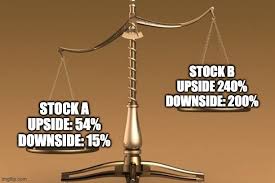
- Opportunity cost: understand that with money tied up in that real estate or stock investment, you are now constrained with alternative investments. Could you reinvest that capital to a different stock or a different house that you believe may have more upside. For example, with respect to real estate, my friend who is leaning towards keeping his SF condo until the prices increase to not take a loss, what would be the option if he decided to sell at a slight loss? Let’s say if sold, and $500k of cash is freed up from the equity of the condo, could he then take that equity, purchase a different house outside SF; in this scenario, he would believe that if the SF condo market increased 5-10% over the next 2 years, what is the outlook for a different city or segment (house vs. condo) and could you predict higher or lower appreciation relative to the SF condo.
Now specific to real estate, there is a huge psychological and lifestyle factor much different than for pure financial investments:
- Oftentimes, not selling the current property, limits the ability to purchase a different property especially in a “move-up” situation.
- In a good situation where a person has the financial strength to purchase a different property without having to sell first, one must factor in being a landlord to lease, collect rent and property management.
- Of course, selling at a lower price also is tough given emotional attachment if it’s a place you have lived in previously.
No easy answers for these scenarios, even more complicated when it comes to real estate. I am always here to help brainstorm the options and be able to provide pros and cons to different approaches so don’t hesitate contacting me.










 Tao SF Peninsula Real Estate