CONUNDRUM: TAKE INVESTMENT LOSS OR WAIT IT OUT?

In the past month, I had conversations with a friend in San Francisco regarding his condo and with a different friend who invested some money shortly after the Figma IPO. While the asset class and personal situations are different, it dawned upon me, some of the decision considerations actually have similarities.

While most of the Bay Area real estate market post Shelter-in-Place since 2021 increased its market price, the segment for condos in San Francisco had been soft. He purchased the condo prior to Covid, and the value is about 5-8% below. He and family are considering a move out of the City just outside SF for a larger SFR house. However, he is reluctant to sell at a “loss” and prefers to wait until the market in SF improves a bit more so he can at least “break even” after selling expenses. 

Another “friend” jumped on the Figma IPO bandwagon. Figma is a cloud-based design and prototyping platform and it went big. IPO offering price of $33/share and skyrockets to over $140/share with valuation of over $60 Billion (with a B!) for a current unprofitable company. My friend bought it at $80/share thinking he is getting it at a “good price” with the big upside to the company and industry. It has recently been bouncing between $55-70/share and he’s not sure he has the stomach to weather the volatility. 

Having been in both those situations over the last 20 years personally and professionally, I get the conundrum on what to do. In my past life, I had been a VP of Biz Dev and Alliances for a couple high tech startups plus, I have degrees in finance. Still, there are no easy asnwers even for me, but I’m able to offer up an analytical framework and perspective on how to approach the dilemma..

Here are some considerations I would factor in from an economic and financial perspective:

  • Sunk cost: if currently seeing a loss, from a decision making perspective, you need to try and think of it as a sunk cost and make a decision based that if you were to keep holding on to it at whatever current market value, would that be a price/value today where you would actually invest in it if you didn’t already own it. For example, for Figma, it’s currently $60/share and you bought in at $80. However, what if you didn’t own Figma at all, and it’s trading at $60, would you consider purchasing shares at $60? If not, there should be strong consideration to sell. The same logic would apply to real estate from a pure investment perspective, but we know real estate is more than just a financial decision.
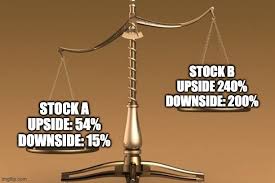
  • Opportunity cost: understand that with money tied up in that real estate or stock investment, you are now constrained with alternative investments. Could you reinvest that capital to a different stock or a different house that you believe may have more upside. For example, with respect to real estate, my friend who is leaning towards keeping his SF condo until the prices increase to not take a loss, what would be the option if he decided to sell at a slight loss? Let’s say if sold, and $500k of cash is freed up from the equity of the condo, could he then take that equity, purchase a different house outside SF; in this scenario, he would believe that if the SF condo market increased 5-10% over the next 2 years, what is the outlook for a different city or segment (house vs. condo) and could you predict higher or lower appreciation relative to the SF condo.

Now specific to real estate, there is a huge psychological and lifestyle factor much different than for pure financial investments:

  • Oftentimes, not selling the current property, limits the ability to purchase a different property especially in a “move-up” situation.
  • In a good situation where a person has the financial strength to purchase a different property without having to sell first, one must factor in being a landlord to lease, collect rent and property management.
  • Of course, selling at a lower price also is tough given emotional attachment if it’s a place you have lived in previously.

No easy answers for these scenarios, even more complicated when it comes to real estate. I am always here to help brainstorm the options and be able to provide pros and cons to different approaches so don’t hesitate contacting me.

OBSERVATIONS AND LEARNINGS FROM MY 2024 DEALS WITH 2025 TIPS

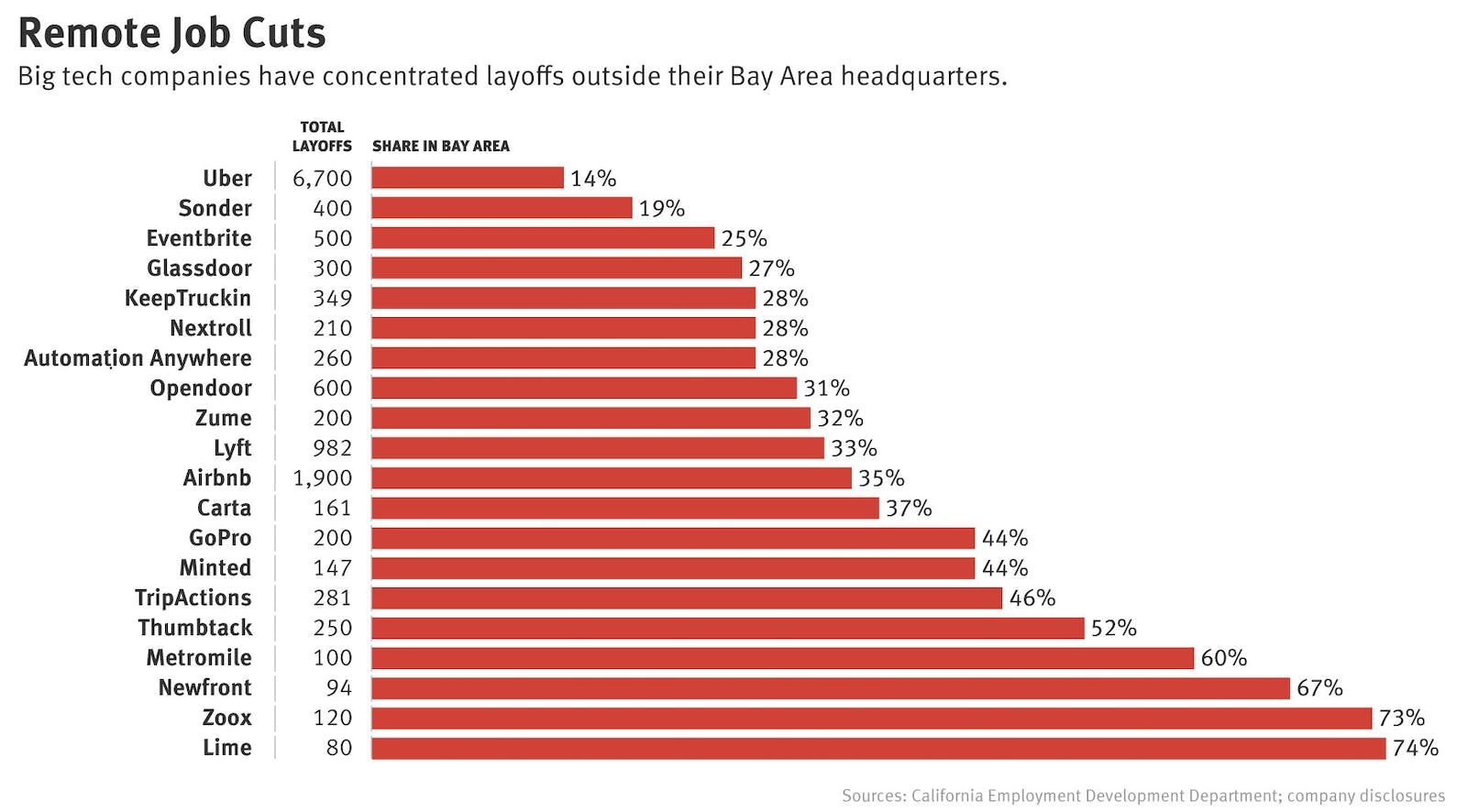
2024 was a confusing and unpredictable year for residential real estate in the mid-Peninsula part of the SF Bay Area. Interest rates hovered around 6.5-7.5%, layoffs from large local high tech companies, while NASDAQ index reached a high water mark, and continued low property inventory. While Buyers in 2023 were very cautious, a segment of Buyers in 2024 returned to the market aggressively.

Year# of Sold$/square feetDays on Market
20231,2691,20119
20241,3781,28914
YOY %8.6%7.3%-26.3%

DIFFERENTIATED PROPERTIES WILL MOTIVATE CAUTIOUS BUYERS

I had a San Mateo townhouse listing at the high end of the range in a neighborhood where one could purchase a single family residence at the same price point. The complex was newer development, awesome huge floor plan of 4bd/3.5ba and 3+ car attached garage with low HOA and close to the freeways and public transportation. While it appealed to a very narrow range of qualified buyers who could purchase a 3bd/2ba single family residence, there also just wasn’t anything comparable like this unit available. We ended up with multiple offers when some thought it would sit on the market first before selling and sold for well above list price. The complex while a bit close to a freeway, there was no noise impact, so we highlighted it as a positive characteristic close to commuting options and downtown restaurants. We just need to find the “right buyer” and not marketing to the masses that many realtors typically default to.

LOCATION WILL ALWAYS BE THE KEY FACTOR

Location is always the key factor in any types of real estate market. The current market has many wary, nervous buyers. I often explain that a property floor plan and condition may be changed with some investment in time and money. A property’s location and lot cannot be changed, so when a property is located in a desirable location, which may include characteristics of the schools, neighborhood feel, flat lot, convenience, views, and/or some other amenities come on the market, I try to help buyers visualize the potential of a place with a future remodel given my experience in real estate development projects in the past. I listed a San Mateo house that was owned by the same family for many decades located just couple short blocks to one mid-Peninsula’s best parks, a nice lot, close to freeways, and a decent floor plan, but it needed some interior updates. We purposely listed it a bit below our target price range expectations with the goal of receiving 3-7 offers. Well, given the incredible location, the open houses were just packed and we received 17 offers, all above list price and the top 7 or so significantly above. The buyers and their agent told me the wife grew up nearby, grandparent taught at the local schools, and they often visited the park with their young kids so the house location checked off every box for them. Needless to say, very happy Sellers and Buyers.


MARKETING AND POSITIONING KEY TO EXTRACTING VALUE

The headline applies to being able to extract maximum value for a popular listing as well as being able to sell a more challenging one. One of my earlier transactions of 2024 was in an unique development in South SF that was only about 30 years old with a large floor plan, high vaulted ceilings and tucked away in one of the higher end communities in the city. The price point is at the very top of the city so it would appeal to a different type of SSF buyer. While it was a single family residence, it was a planned unit development with an HOA not as common in area as it would be in Southern California or East Bay. The way we positioned the unit is that it is considered newer construction when most of the city houses were between 60-90 years old, we updated the interior with some new finishes, and we accentuated that the “value” for a large house with amazing floor plan close to both SF and South Bay is rare for the price point and $/square feet. I advised my Seller that the sweet spot Buyer profile is someone who may be already living in the neighborhood who either owns a smaller place or is renting. Lo and behold, several of the most seriously interested buyers were all living in the neighborhood and it was sold to a wonderful young family who owned a smaller place and wanted to upgrade.

CASH/LIQUIDITY IS KING (OR QUEEN)

I have talked about mortgage interest rates many times over the last 10+ years of this blog. In 2024, the first half saw rates finally starting to come down, but then mortgage rates started rising again. Many of my friends asked if the higher rates affected the Bay Area real estate market. Of course it did for some segment, but not as much as you may think. 1) Move up buyers slower to purchase due to their current very low <3% rates that would make the move up purchase to a larger home and possibly more expensive neighborhood at a 7% rate tougher pill to swallow – constraining inventory. 2) Qualifies for lower mortgage amount particularly for 1st time buyers, and 3) Mentally harder to purchase when prices of attractive properties were increasing making the rent vs. buy equation less attractive.

All 3 of the negative impact were in play, but not as much as you may think. Supply is still low. Buyers delayed purchasing from 2023, but we saw Buyers realize in 2024 that mortgage interest rates would not decrease materially any time soon to its previous 3-4% range. Many of my clients are in the high technology sector with the NASDAQ index reaching historic highs. Those employees with stock options and RSU were able to cash out of some of them for larger down payments; thus, diminishing the impact of higher rates/payments. All but 1 transaction I completed in the last 2 years had larger down payments from 30-100%.

2025 UNCERTAINTY IN THE BAY AREA AND TIPS

The start of the year, inventory remains very low. The high technology industry saw some layoffs and hiring freezes in Silicon Valley so people are cautious. Low supply and cautious demand but with highly qualified buyers, means the most attractive properties priced appropriately are seeing huge numbers of offers. Contrast that with properties that have some major negative characteristic and/or location and priced too high may sit on the market.

I continue to provide the following perspective to my first time buyers. It is very difficult to perfectly time the market. To the extent one has the financial capacity and job stability to make the leap of faith, buying real estate is BOTH a financial investment decision AND a lifestyle choice that is challenging to quantify. The question I pose is do you consider it riskier to be “out of the market” or “in the real estate market” if your plans are to remain in the SF Peninsula area in at least the medium term?

As always, reach out to Peter to brainstorm real estate. In meantime, please “like” my Facebook page to stay updated on my latest blog posts, and upcoming listings https://www.facebook.com/PeterTaoProperties.

Peter’s SF Peninsula 1st half 2024 real estate trends and remainder of the year outlook for the Bay Area

Most of 2023 saw a substantial real estate sales volume decline due to inflation, interest rate spike and uncertain macroeconomic conditions. My buyers who purchased in 2023 did so under nervous pretenses, and are now ecstatic they did so as they got fantastic properties with less competition.

Many buyers who were on the sidelines in 2023 came out in the first 7 months of 2024 in the SF Peninsula residential market. Does this surprise anyone? Why might this be the case as many of the same negative factors were still pervasive? For my personal realtor business, while the Q1 was slow, Q2 and the start of Q3 have been busy including one listing in San Mateo that received a whopping 17 offers that achieved 40% above asking price and had extremely happy sellers and buyers.

3 Reasons for Current Market Conditions in SF Peninsula

1) While interest rates are still high relative to a couple years ago, buyers now realize the days of being below 4% are not projected to return anytime in the near future. If buyers want to be a homeowner and enjoy a permanent residence, they need to just factor into their budget a higher mortgage payment. With that being said, I provide context that a) if rates do drop, they can refinance their mortgage and lower payments, and b) if rates drop, all buyers will qualify for higher mortgage and thus be able to be more aggressive on price which may impact pricing.

    2) In our SF Peninsula area, there is a heavy concentration of buyers who work in the high technology industry or whose work is dependent on this industry. The NASDAQ stock market has been way up over the past year, just dropping a bit the last few weeks. As of 8/6/24, NASDAQ is up YTD 12% and past year 18%. Those with restricted stock units (“RSU”) or stock options may have healthy equity portfolios allowing for a much higher than normal down payment thus mitigating some of the pain of a higher interest rate. For example, in my listing with 17 offers that was a single family residence geared for mostly 1st time buyers, around 14 of them had down payments of greater than 30% with 3 of all-cash.

    3) Sounding like a broken record, we continue toes low inventory. While item 1 above is a slight deterrent for 1st time buyers motivated to “get into the real estate market”, the economics and motivations may not be as strong for the “move up buyers” who already own and live in a home and have a low interest rate of 3% and a lower property tax basis locked in. When the “move up buyers” segment is slower, this then impacts the supply of homes at the lower price points for 1st time buyers.

    Buyers Are More Selective

    Unlike the 2021-2022 cycles when it seemed every property received 10+ offers, this year there are some properties that don’t sell right away or even go through a list price cut. Even though buyers are back and motivated, they are still cautious and waiting for the right property. Here are some reasons why a property may not sell right away in our current conditions:

    Location – The property has a major “negative location issue”. Every buyer has different considerations of what they may consider negative and everyone has different sensitivities. A property with a negative location will still eventually sell at some price point.

    Fixer Upper and/or poor floor plan – With many buyers stretching to buy, most do not want the investment in time, expense and stress of going through a major remodel. A fixer upper in a good location and lot will still have a lot of interest, but would skew more towards investors/developers. One of the strategies I like to propose to my sellers is to invest some budget into doing some preparation work prior to staging and listing to make sure buyers can visualize moving into the home right away even if there are some parts that will need renovations in the future. Of course, the totally renovated will command a premium with most enthusiastic buyers.

    Improper starting list price – In the SF Peninsula, buyers understand that a common strategy is listing a property slightly lower than expected to get the buyers to see the property in person and then create a competitive situation and then get the market price. If a listing is priced too high, compared to other property at similar list price, there may be a psychological component to how a buyer views the property. Once a property sits on the market for an extended period, buyers may start to wonder what is wrong with it

    Where do I see the market remainder of 2024?

    • While I know there is a pipeline of new inventory coming on the SF Peninsula market in September and October, inventory will continue to be limited.
    • From my recent listings at various price points and locations, there are many motivated buyers out there, particularly at the $2.5m and under budget.
    • Economists and bankers predict a possible mortgage rate decline in Q4. That does not mean buyers should wait, because some buyers will and may mean more competition or more aggressive buyers if that really happens.
    • There is some economic uncertainty on the horizon with recent weeks’ stock market decline, as well as the upcoming presidential elections.

    So what does this all mean? I continue to provide perspective to all my clients and friends who ask me when is the “best time” to buy. While some timing when investing in the stock market may be advised, the difference with purchasing real estate is it is also a lifestyle decision above and beyond financial. It is too challenging to “time the market” in residential real estate here in the SF Peninsula. Even if trying to time the real estate market, there are just too many variables coming into play such as will the right property even be available, and then can I even win in a multiple offer situation. Most significantly, what if my prediction of decreasing real estate pricing is wrong, and the market actually increases by 10-20% in a year or two, then I am further away from being able to purchase in the SF Peninsula market.

    As always, I always enjoy talking Bay Area real estate and discussing the markets. Please like my Peter Tao Properties Facebook Page. Call, email Peter at peter.tao@cbnorcal.com.

    2023 OBSERVATIONS OF SF PENINSULA REAL ESTATE STORYLINES

    Please “like” my Peter Tao Real Estate Facebook Page to get notification of my upcoming thoughts on the 2024 SF Bay 2024 real estate trends.

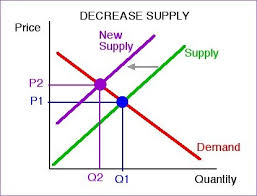
    There was quite a bit of uncertainty at the start of 2023 about where real estate markets would go. One word, Supply and Demand….wait, that is three words. My most popular article Microeconomics for Real Estate I wrote in 2013, exactly 10 years ago, continues to get dozens of viewers every day due to being highly ranked in the Google SEO algorithm. To overly simplify, there is low supply amidst moderate demand for the following reasons:

    DEMAND

    While there are a good number of (potential) buyers out there, some percentage of them are unsure what to do given economic factors, such as interest rate, stock market and their own employment. There are highly qualified buyers interested, some are motivated while some are taking a cautious approach. There is moderate demand, although lower than post pandemic and prior to the current interest rate/inflationary spike.

    SUPPLY

    The move-up and down-size Buyers have significantly decreased due to the higher interest rate situation. Most owners have rates locked in at 2.5-4% with a lower property tax basis (in California). To purchase a larger home would mean to get a mortgage at 6.5-8% with a higher property tax basis; it would be a large financial step-up than in recent times. This dynamic puts a constraint on the supply side of the local real estate market.

    PRICING MOVEMENTS

    In a typical supply and demand curve, usually a low supply and moderate demand situation would create some price increases. In a “hot” “sellers market” which we’ve seen in many of the years over the last 8+ years, prices are increasing across all segments of the real estate market in the SF Peninsula market – condo, single family, multifamily, various cities, neighborhoods, starter, luxury. In 2023, we saw a real segmentation of pricing and demand – a flight to “quality”. By “quality”, single family residences that had some positive combination of nice move-in condition, good location, zones to popular schools, usable nice lots/backyard were the ones that saw multiple offers with some price increases from 2022.

    Unlike past years in a really “hot” market, even with lower supply of listings, there were many properties that did not sell right away, sat on the market and/or went through price cuts. Because there were a lot of careful buyers out there, many buyers were more conservative in how they approached purchasing and preferred to wait for more attractive properties rather than making offers on a property that may have some major negative characteristic.

    STRONG DEMAND EXAMPLE

    The “Hallmark” neighborhood within Belmont Woods in Belmont up saw every (only 6 total) SFR sold in 2023 at $3.0 million and higher. See summary chart:

    ADDRESSBDBASQ. FT.LOT SIZESOLD PRICECOMMENTS
    23 Somerset Ct.43.53,02021,9003,300,000Big views, at trails
    2884 Wakefield Dr.42.52,22017,3523,100,000Terraced sloped lot
    2558 Somerset Dr.43.02,6727,0403,200,000Move in
    2609 Somerset Dr.42.52,76011,9153,420,000Needs work, big flat lot
    2741 Waltham Cross43.53,42710,2413,608,888Renovated, with pool
    2759 Waltham Cross42.51,82012,2353,000,000Original, big flat lot
    2023 Closed Transactions for SFR within “Hallmark” submarket of Belmont Woods, Belmont, CA

    Hallmark has always been popular, but why has this pocket of homes in particular withstood macroeconomic conditions more so than most neighborhoods?

    • Typically above average size lots, some with views
    • Near waterdog park and cross country trails, wide streets with sidewalks
    • Neighborhood built from late 1960s to 1970s so floor plans of houses tend to be very appealing with vaulted ceilings so spacious interior feel w/curb appeal
    • Highly-regarded Belmont-Redwood Shores school district
    • 4 of the houses sold for multiple offers; 2 of the houses actually did not sell right away and went through price cuts due to being aggressively overpriced when first listed. Pricing appropriately is still extremely important in any market. 

    SOFT DEMAND EXAMPLE

    There have been numerous articles regarding the city of San Francisco and the challenges since the pandemic. While the SF condominium segment was particularly affected in 2021-2022, we did see SF condos as a whole stabilize in 2023 given the low inventory environment. A neighborhood still recovering though is West part of South of Market (“SoMa“). A few fundamental reasons:

    • Residences often work in financial district or start-up high tech area of South Beach and employees generally no working in offices yet
    • Mid-market corridor of SoMa which has been a economic redevelopment area lost many major high technology company tenants that employed many professionals
    • Pre-pandemic, SoMa saw a huge new construction boom of mid-rise condo projects saturating the western part of Sout of Market near mid-market area with inventory/supply

    We know the markets go up and down and areas see growth and weakness. A key question is timing. Could this neighborhood be a buying opportunity in the near future from an investment stanpoint or is it still too early? There are just so many variables and nuances to consider which is what makes real estate so intersting to me and why understanding the MICRO-markets and balancing it with understaning of the macro financial marketsso important

    MY 2023 REAL ESTATE SUMMARY

    Sales volume is down YTD 2023 vs. 2022; preliminary estimates I am hearing has volume decreasing up to 20% year-over-year decrease of total volume in various part of SF Peninsula. I am so thankful for my clients and friends who trusted me this year, and who also referred me to their friends and family to navigate an uncertain, nervous marketplace due to higher mortgage rates that really changes the dynamics of the market. I will once again be top 8 in my Coldwell Banker office of 150 licensed Realtors.

    As always, the opinions written in my articles are my personal opinions. Please feel free to contact Peter at peter.tao@cbnorcal.com anytime to brainstorm anything real estate, Warriors, Niners, local dog parks, schools, and/or restaurants. 😀 My next article will be about my forecast for 2024 SF Bay Area real estate markets. Thus, to be stay up to date on my thoughts, upcoming listings and interesting real estate news, please “like” my Peter Tao Real Estate Facebook Page. Happy holidays!

    5 MISCONCEPTIONS REGARDING INTEREST RATES AND MORTGAGES

    I have been considering writing an article related to mortgages for years now, as it seems most people do not really understand mortgages above and beyond that it is a loan to fund a real estate purchase. However, people do not seem to understand how they work, what external factors impact interest rates, types of pre-approvals or the history or future of interest rates. 

    My BS and MBA degrees are in Finance; in a previous life, I was a high level strategist and dealmaker for top Fortune 500 financial services companies. Thus, I find myself explaining some of the nuances around mortgages and more recently (given the rapid rise) interest rate dynamics to my clients, but even many of my realtor/agent colleagues who are not well versed in finance.

    The following are five major misconceptions regards mortgages:

    1. The Feds meet approximately every 6 weeks to discuss the Fed Funds (“FF”) rate, and they just announced another rate hike this week. https://www.cnbc.com/2023/07/26/fed-meeting-july-2023-.html. The FF rate is the rate that one financial institution lends funds to another on an “overnight” basis. Mortgage interest rates are tied to the 10 year treasury yields and only marginally correlated with movements in the FF rate. One is short-term and the other is medium/long term in duration. There is the concept of the yield curve (rate on Y and duration on X) which can be a rising, flat or upside down yield curve depending on the economy/market/forecast and that is a key element in how much movements in FF rate impacts mortgage rates.
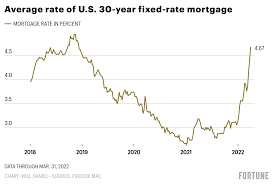
    2. Mortgage rates at over 7% are more than double what they were just 2 years ago. Buyers are affected by the hike in rates due to the loan amount they qualify for now, and even more significantly, the psychological impact of wanting to wait until rates drop before making a purchase given “how high rates are now”. The chart below depicts the historical 30 year fixed average mortgage rates as compiled by government entity Freddie Mac and Bankrate.com.  Must be noted that prior to 2010 (just after the subprime mortgage implosion/meltdown), average interest rates were always above 5% and for the 30 year period from 1972 to 2001, and in 29 of the 30 years, average mortgage rates were above 7%. Interestingly, during the peak of the pandemic when I was cleaning out boxes in my garage, I found loan documents for my 1st home mortgage that had a 7.5% 30 year fixed interest rate which I refinanced 2 years later for around 6%. Yes, rates are much higher than they were 2 years ago, but by historical standards, the current rates are not considered outrageously high either. See my article I wrote 10 years ago for further perspective. https://taosiliconvalley.com/2013/11/08/mortgage-rates-have-risen-since-its-all-time-low-should-this-impact-your-timing-to-buy/
    Year30-yr fixedYear30-yr fixed
    20225.53%19967.76%
    20213.15%19957.86%
    20203.38%19948.28%
    20194.13%19937.17%
    20184.70%19928.27%
    20174.14%19919.09%
    20163.79%19909.97%
    20153.99%198910.25%
    20144.31%198810.38%
    20134.16%198710.40%
    20123.88%198610.39%
    20114.65%198512.43%
    20104.86%198413.88%
    20095.38%198313.24%
    20086.23%198216.04%
    20076.40%198116.64%
    20066.47%198013.74%
    20055.93%197911.20%
    20045.88%19789.64%
    20035.89%19778.85%
    20026.57%19768.87%
    20017.01%19759.05%
    20008.08%19749.19%
    19997.46%19738.04%
    19986.91%19727.38%
    19977.57%
    Source: Freddie Mac/Bankrate
    1. Mathematically the rise in mortgage rates has a direct impact on real estate prices. When rates were very low, consumers qualified for higher loan amounts. Rates precipitously increased starting Spring 2022. Real estate values in 2nd half 2022 dropped around 10-15% in the SF Peninsula area. While mortgage rates definitely factored into the price drop, it could be considered that other macro/micro factors may have had an even larger negative impact than rates. There were large layoffs with top technology companies, plus some major companies moved out of state; then, the stock market declined rapidly (Nasdaq in particular) affecting a meaningful segment of potential buyers. See my most read blog post that ranks very highly on the Google organic search algorithm discussing the impact on supply and demand in real estate. https://taosiliconvalley.com/2013/08/26/microeconomics-101-for-real-estate-2/
    2. When I am the listing agent representing a Seller, I always do my due diligence on the “strength” of a “preapproval” letter for someone who submitted an offer on my listing. Many real estate agents think having a letter from a mortgage lender/broker that says “preapproval” is strong and a done deal. Most of these letters are NOT “underwriting preapproved”, but really a “prequalification” letter with just a different title. To be considered a “preapproval”, the file would need to be submitted to a lender underwriting department with a full application file. Most of the time, a letter is generated by the mortgage consultant/officer who reviews the documents and possibly  runs a credit check before calculating a loan amount and generating a (prequalification) letter. If the mortgage officer is highly experienced, detailed and competent, this is still strong. This is why I want to know exactly how strong a preapproval/prequalification letter is when I discuss a deal with my seller or buyer client so they understand the risks.
    3. In my open houses, I have heard potential buyers say that they prefer to wait until interest rates decrease again before seriously contemplating purchasing a property so they can qualify for a higher loan amount and be able to purchase a bigger property. Unfortunately, in the SF Peninsula area it may not work like that. If rates go down, then all the other buyers can qualify for higher amounts too which may drive up prices. Additionally, there will be others who are thinking the same thing so demand/competition overall may be less with higher rates. The risk of waiting is, no one knows how long it will be before rates drop 1-2% as it may be years. Lastly, the other strategy would be to purchase with the higher interest rate if the right property comes up and financially a buyer can afford it, and assuming they may be able to refinance if/when the rates go back down in the future.

    As always, if anyone wants to discuss real estate, economy, stock market, or just the Warriors or Niners, feel free to call/email/text. Please feel free to subscribe to this blog or <Like> my FB Real Estate Page at https://www.facebook.com/PeterTaoProperties.

    LESSONS LEARNED AFTER 14 YEARS AS A YOUTH SPORTS FATHER, COACH, AND LEADER

    Why am I writing a youth sports article on a real estate website?

    First, I am passionate about youth sports, and one of the reasons I left my former VP-level Silicon Valley job for a full time real estate career is it allowed me flexibility to coach my children’s sports teams. Second, many of my real estate clients have young children starting youth sports, so I thought it helpful to summarize my learnings and observations over the last 14 years to share.

    My experiences with youth sports is rooted in having been an involved father to my college-age son and my high school daughter. During their childhood, I volunteered to head or assistant coach 20 different soccer and basketball teams, served on the board of our area’s largest non-profit youth basketball league, and experienced the rapidly growing world of “club” sports. I have seen the best of youth sports and the unheathy side of it too. Here are 4 lessons:

    PLAYING FOR LOCAL, VOLUNTEER CITY LEAGUES YIELDS INTANGIBLE BENEFITS

    If my 5-9 years old child doesn’t join a competitive club team and commit year round, (s)he will fall behind others, and not have a shot at a college scholarship or even make high school varsity team.

    Love the AYSO Key 6 Philosophies

    The current trend is joining a club team at a younger and younger age. Rationale is for kids to get an “experienced (non-parent)” coach for skill development, better competition, and more focus. Those are certainly viable benefits, but I believe parents and kids underestimate the intangible social/personal benefits to remaining in your local volunteer-based city leagues as long as possible before switching to a club.

    • Making friends within one’s community for both kids and adults from the local teams. 
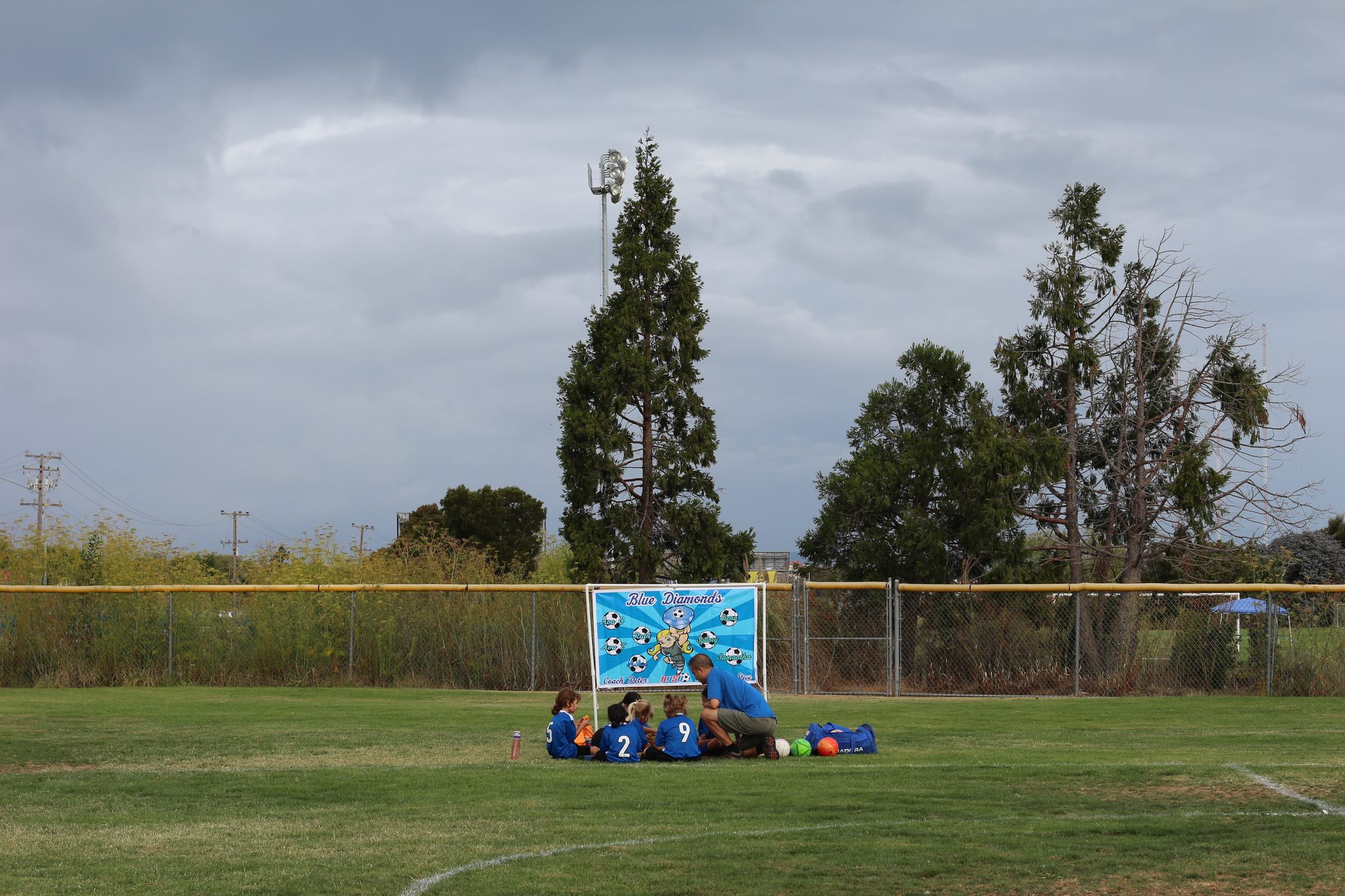
    • Prior to my daughter playing AAU and HS basketball, she also played for a high level club soccer team. Her fondest elementary school sports memory? Eating oranges and the awesome banners from her U6/U8 AYSO soccer teams with the Blue Diamonds and Star Strikers. I believe all children should play AYSO as long as possible, and I’m pretty sure the kids athletic and committed enough to play college/HS will end up there regardless if they play AYSO or a club team at age 7.
    • More flexibility for children to play other sports and not have to commit to a year round single sport schedule.
    • Less expensive and time spent driving far distances to games. I recall a regular season club soccer game (single game, not a tournament) 4 hours drive away in Fresno…WTF?!

    POSITIVE COACHING & SKILL DEVELOPMENT MORE IMPORTANT THAN WINNING

    Those who knew me when I was younger may find that title amusing, as I used to be hyper-competitive with games of any kind. Do not choose a club team based on how many tournament trophies/medals they may post on social media. Winning trophies is only a small correlation to good coaching. 

    Coach Royce focused on skill development, positive coaching, and work ethics. This team in its previous year lost games by 30-50 points before improving next season and starting to win games.
    • While all coaches want to win, the top coaches use practices for mostly skill development than on “set plays” and care more about the future than immediate wins and losses. Huge thank you to Coaches Anna Sterrett, Miranda Seto at Fever AAU girls basketball, coach Melanie Murphy at Torch AAU girls basketball, and my friend Coach Royce Nelson at Supreme Kourt AAU boys basketball who my kids played for and run fantastic programs.
    • I’ve observed opposing coaches scream at the top of their lungs at 11 year olds even when they had a 30 point lead in basketball or a 5-1 lead in soccer. They think they are motivating higher level performance, but they are only demoralizing kids. I believe in the Positive Coaching Alliance philosophies.
    • Unfortunately, I’ve seen terrific, strong players quit a sport because of just one bad coach; but I’ve also seen kids who were top club players change sports because they found a different sport “more fun” and motivational after experiencing a positive, development-oriented coach.
    Incredible parent coaches Joe & Todd and group of girls who are top HS players in different sports now
    • Special shout out to the amazing parent volunteer coaches I had the privilege of coaching 2 or more seasons (many other awesome parents I coached 1 season with) of a sport with and did so with passion and dedication – Peter Anderson, Steve O’Driscoll, Steve Scholl, Gary Chiang, Joe Haws, Todd Leyte-Vidal, and Tim Netane.

    STEP UP AND VOLUNTEER COACH!

    Are you fearful for being “unqualified” in that sport or lack of free time?

    Every city youth sports league needs volunteer parents to help coach and other roles to run the league and teams. Every parent is busy. I ran the local National Jr. Basketball chapter for a few years and on the Board for many more, and I am proud of recruiting many committed volunteer parent coaches and Board members. I would encourage all parents to step up and volunteer for something in one league/sport/activity.

    • You don’t necessarily need to have played the sport growing up to be a good coach for elementary school age kids. Practice plans, skill development drills, coaching tips are plentiful on Youtube. Focus on fundamentals, few fun games, some concepts, a few strategy/plays, and a positive attitude.
    • Partner with a parent of one of your kid’s friend’s parents to coach with.
    • Ask parents on your team to help out with practices whenever they are able.
    So blessed that these now college young men who I coached when they were in elementary/middle school participated in my 50th birthday basketball tournment w/my old guys basketball friends
    • To this day, I run into kids, now young adults who I coached when they were younger. When I hear “hi coach”, it totally makes my day that they remembered me.
    DON’T STRESS, IT ALL WORKS OUT IN THE END

    As parents, we fear that even with planning for every circumstance, our kids don’t make the U11 all star team, their athletic goals in high school or some other disappointment.

    Middle school undefeated county championship team. These players are now in high school with 5 playing basketball, 4 volleyball and a 1 soccer! #specialteam

    Having coached many teams and following local high school athletics in my community, I know most of the boys and girls who were “all-star” level players in elementary/middle schools in baseball, soccer, basketball. Would it surprise you to know only a minority percentage of these all-star players became a varsity starter in high school at those sports? Here are some of the reasons: 

    • Kids playing a year round club sport simply burned out when they started specializing at young age, and they transitioned to a different sport.
    • Physically growing and maturing at different ages so those who grew taller and stronger at an earlier age may just be average size as a high schooler.
    • High schools with a lot of students draw from wider geography plus the 4 year age range so it is much more competitive to make a HS varsity team.
    • Of course, there were some who we could all tell would be a superstar in a particular sport realized their potential and it’s great fun watching them play now..

    FINAL THOUGHTS

    I am proud that both my kids love sports, believe in fitness, and made a lot of friends through their teams. I personally did some things right, but also made my share of mistakes too.

    • My now college son realized HS basketball may be tough at only 5′ tall in 8th grade. He picked up tennis “for fun” as a 7th grader and really enjoyed it while playing for coaches Holly and Margaret who were awesome and made the game fun.
    • He started training seriously starting 8th grade with one of the area’s top tennis coaches, John Hubbell at Bay Club. Some said he started too late for high level tennis. Through his hard work, good coaching, and playing USTA tournaments, he improved his game rapidly to become 4 year starter for his HS team and captain his senior year.
    • The irony is he is now 6′ feet tall having a great time playing pickup basketball, intramural volleyball and club tennis in college.
    Daughter trying to defend my sister’s college best friend’s all-league daughter Bailey
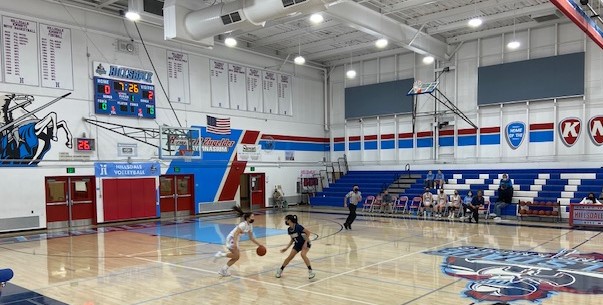
    • My daughter is playing HS varsity basketball, and this upcoming season will be fun as she continues to shoot up in height while having a strong spring/summer AAU season playing for coaches of one of the top HS/AAU programs in Northern California.
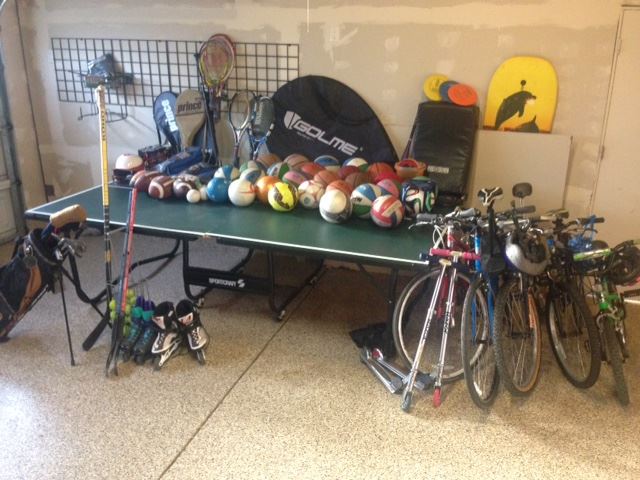
    My garage – 17 basketballs, 4 footballs, 7 soccer balls, 12 tennis rackets, 2 golf clubs, 2 gloves, 2 balls, 3 discs,1 ping pong table, 4 snorkels, 3 hockey sticks, 1 bat, 1 volleyball, 5 bikes, 1 soccer net, 1 blocking pad, 2 rollerblades, 2 scooters, 3 softballs, basket of tennis balls, and 1 boogie board
    • Perhaps the only positive thing to come out of the shelter-in-place during the pandemic is not having organized activities. We actually really enjoyed riding bikes, throwing the football around, hiking local trails, competing in silly games, and playing ping pong in the garage. Old school fun which I hope all of today’s kids will carry with them into adulthood.

    I am always excited when I am able to provide my real estate clients detailed hyper-local feedback on public/private schools, dog parks, athletic fields/facilities, restaurants, commute options, and the youth sports scene which all have ancillary effects on the real estate market.

    A RAPIDLY CHANGING SF PENINSULA REAL ESTATE MARKET…SHOULD BUYERS WAIT IT OUT OR JUMP IN?

     “Be fearful when others are greedy, and be greedy only when others are fearful.” – Warren Buffett

    Investopedia defines “herd instinct/mentality” as a phenomenon where people join groups and follow the actions of others under the assumption that other individuals have already done their research. Herd instincts are common in all aspects of society, even within the financial where investors follow what they perceive other investors are doing, rather than relying on their own analysis. 

    I wrote in my last real estate article on 5/4/22 about Huge Decrease in Supply in Q1 and Spike in Demand. Over the last few months, we have seen a material decline in the financial stock market, a spike in inflation, and an increase in mortgage interest rates that have really impacted the local real estate markets. Some have estimated that 30-40% of buyers who were actively looking to purchase during Q1 have postponed their search due to the macro dynamics. Real estate prices have declined in recent months, but that’s from a large rise of 15%+ for SFRs (condos didn’t see quite as much) in most areas during the 1st 5 months of 2022 so prices are still meantingfully net higher than from 2021 values.

    Certainly, any buyers whether 1st time or move up who elect to wait and see how various aspects of the market and their personal situation shakes out until things stabilize would be totally rational.

    1. In the high technology-centric Bay Area, many people’s liquidity/down payment are invested in the NASDAQ stock market which is down 21% YTD. People who rely on stock options from a single company to fund down payments may be down even more.
    2. We are hearing about layoffs regularly these days, so there may be a bit of uncertainty as to job stability.
    3. Jumbo fixed 30 year mortgage interest rates have risen from a low of 3% last year to over 5% raising monthly payments and thus affecting loan amounts.
    4. There is always a fear that prices may decline further (suppose not much different than in rising markets either!)

    Above, I reference a famous Warren Buffet quote and start this article defining herd mentality. There is one strategy around investment theories to not follow the herd and always do what the herd do. The following would be some reasons to actively seek to purchase an owner occupied home when others may want to wait a bit.

    1. Most people’s financial situation has been negatively impacted in the last few months, but to the extent that your financial situation makes it tenable to still make a purchase, there is significantly less buyer competition. In Q1, most every SFR in a good neighborhood at $3m and under often yielded 3-15 offers while buyers had less than a week to decide. Currently, there are more of choices for buyers with much less or no competition.
    2. Buying a house to live in yields intangible emotional benefits above and beyond just a financial return. This is a perspective I tell all my owner-occupied buyers regardless of market conditions.
    3. It is nearly impossible to perfectly time a financial or real estate market. In the SF Bay Area, like the general financial markets, over a 7-10 year medium term horizon, Bay Area estate prices are generally always net higher.
    4. For the move up buyer who currently own a property and wish to wait for their own value to rise again first, just a reminder that if your smaller property rise, your move up property will likely also rise, but at the higher price point.
    5. The higher interest rates no doubt has affected payments and mortgage amount. All of this macro trends has directly and indirectly affected real estate values to account for that dynamic. Two things to consider: 1) read my article from 5 years ago on Historical Mortgage Rates that even at our current rates, it’s actually not considered that high (my 1st house purchase, my mortgage was over 7% and I refinanced a year later at 6%! Crazy, huh?!), and 2) if and when mortgage rates start to drop again, there is always the possibility of refinancing to a lower rate in the future, so the current rates is likely not locked in for the entire 30 years.

    Of course, if your liquidity was all in cryptocurrency or in a single recent IPO unprofitable company who has lost most of its value this year, then now may not be the right time to purchase. If your company has gone through a couple rounds of layoffs and you are not feeling confident, it may be best to hold off. There are pros and cons for every individual situation. While I am a realtor, I have the unique background where I have lived in the SF Bay Area for last 25 years going through multiple periods of growth and recessions, in past life been VP at several high profile technology companies that had major exits and blowups so I understand our local technology markets, and finally, I hold two degrees in Finance. Thus, I always am happy to brainstorm with clients and friends on evaluating the risk and rewards of various options.

    HUGE DECREASE IN SUPPLY IN Q1, RISING RATES & MY RECORD BREAKING HOUSE SALE & UPCOMING LISTINGS

    Wow, what a Q1 2022. Just an astounding first few months of the new year. The market is RAPIDLY shifting, if you are about to buy and/or sell, it’s critical that you work with someone who has the pulse of the market and who you trust to provide you with unfiltered advice.

    • Even a couple month ago trends/date is often outdated
    • So called “experts” are just looking for soundbites and do not know the fine nuances of the market
    • Real estate is highly localized and the submarkets may be materially different from one another

    Below is a matrix summarizing SOLD data for single family residences from February 1 to March 31 from 2020, 2021 and 2022 in San Carlos, Belmont and Burlingame. I chose those 3 cities as representative of mid-Peninsula, but should be directionally similar to other cities. The matrix is quite telling:

    Burlingame, San Carlos, Belmont All SFR – Sold between February 1 and March 31

    20202021YOY%2022YOY%
    # Sold9015067%79-47%
    Avg List2,154,5572,304,8457%2,515,1449%
    Avg Sold2,221,5982,512,96313%2,930,63717%
    % Above List3.1%9.0%16.5%
    Avg $/sq. ft.1,1461,25610%1,50120%
    .
    • Q2 2020 was the start of the pandemic and shelter-in-place
    • 2021 had 150 sold transactions to start the new year with a 9% average increase from list to sold price and the average $/square feet increased YOY of 10%, as buyers demand rapidly increased 
    • Start of 2022 saw a MASSIVE decrease in # of sold transaction by 47% (almost half of last year’s volume) which led to a $/square feet increase of 20% with incredibly competitive multiple offer bidding wars for most houses jumping 16.5% from list price (my most popular blog post from 9 years ago is still highly relevant https://taosiliconvalley.com/2013/08/26/microeconomics-101-for-real-estate-2/)

    As I write this at the start of May, we still see strong buyer demand, but this has flattened a bit, due to the following:

    • Spike in mortgage interest rates impact the loan qualifications
    • High inflation affects consumer confidences
    • NASDAQ has dropped nearly 20% since start of the year which affects down payments due to high technology centric buyers
    • Buyer fatigue from losing out multiple times in past 6 months

    My Incredible San Mateo Village Listing from Q1

    I had a sweet listing of a 4bd/3ba completely modernized home with high end finishes and exquisite design details. I helped pick out some of the finishes including tile work when preparing the house for sale. Check out the full listing pictures/details. https://www.zillow.com/homedetails/3630-Santiago-St-San-Mateo-CA-94403/15538642_zpid/

    • Approximately 250 people attended the only weekend of open houses. It was an absolute madhouse.
    • 18 groups requested disclosures packages
    • List price was $2,198,000, we received multiple offers, and it closed at $2,680,000 to very excited buyers.

    What was the secret formula?

    • Totally renovated house that had some interesting style, unique high-end finishes
    • Terrific location in heart of San Mateo Village
    • Coldwell Banker and my aggressive marketing program absolutely blasted online, email, television, neighborhood mailers, and print advertising. Anyone looking in the mid-Peninsula saw this listing!
    • Underrated part of optimizing results is marketing the high value parts of property, understanding buyer psychology and creating a process to motivate offers from qualified buyers, and being able to talk to buyers and their agents explaining the nuances of the property.

    My Upcoming Listings in May/June

    1. Woodside Plaza in Redwood City – we are in the final preparations on putting this exquisite 3bd/2ba 1650 sq. ft. house with a totally sweet 350 sq. ft. ADU/Cottage w/full bathroom, and has the best backyard entertaining area I’ve ever seen (not located in Hillsborough or Atherton!). The backyard has this large vaulted covered patio area that has an entire outdoor kitchen, recessed lighting, heat lamp that can be used all year round, that then extends to another patio area with a built-in BBQ area next to a hot tub and grass area on an oversized lot. This is a must see just to check it out.
    2. A large 5bd/4ba Daly City house – we are preparing this house for early June. Terrific location nearby Serramonte Mall, and transportation options. Upstairs is 3bd/2ba, and downstairs has permitted large living space with 2bd/2ba and living areas.

    If you or know anyone interested, feel free to contact me at Peter.Tao@cbnorcal.com, and I can try to allow showing as we get closer to coming on market. Or call me if you just wanted to talk real estate, travel or the Golden State Warriors!

    My SF Peninsula 2022 Real Estate Predictions Based on a Busy 2021 Year

    Please “like” my FB Page https://www.facebook.com/PeterTaoProperties to stay updated on blog post articles, upcoming listings and interesting things I see at properties around the SF Peninsula!

    Reading many so called “experts”, “analysts”, and fellow Realtors predictions for residential real estate in the SF Peninsula market over the past weeks leads me to write my annual end-of-year/start-of-new-year observations and predictions. 2021 was one of my busiest years as a Realtor in the SF Peninsula and I expect strong deal flow in 2022. The following are 7 major topics often discussed in mainstream media – some of which I concur with but others I believe to be significantly overblown or will not materially affect our local markets.

    Source: Mortgage Bankers Association
    • Current run up of real estate price appreciation is only minimally due to low interest rates – although a lower interest rate is a mathematically positive factor, other macro factors significantly influence pricing in our area more than rates. A very large number of Bay Area buyers have some combination of savings due to frothy stock market allowing for high down payment and/or well paying high salaries, so potential creep up with rates will not affect price points as much as most people are predicting.

    • People moving out of the Bay Area has had minimal impact. A couple of my seller clients in 2021 moved to other states. The supply and demand imbalance quickly absorbed any small incremental new inventory due to a geographic move.
    • There continues to be a high demand, low supply imbalance going into 2022 for single family residences. I am aware of an influx of listings coming on the market in the next few months, but there are also many buyers who were not successful in purchasing a home in 2021 and some new buyers ready for aggressively look in 2022. The link is my most read post that still gets dozens of random readers who find it through Google organic search. https://taosiliconvalley.com/2013/08/26/microeconomics-101-for-real-estate-2/
    • Many people in SF Peninsula work in high technology and have high liquidity from a frothy stock market and the many 2021 local IPOs. Buyers have capital for a large down payment making for increasingly strong buyer profiles – this is unlike in 2007-2008 at the height of the last market boom where many buyers “qualified” for large subprime loans with minimal to no down payment. There has been a softening of Nasdaq to start 2022 so we will see what happens to the broader financial markets.
    • Location and lot have always been arguably the most important factor in real estate; the pandemic may have put even more of a premium on those factors as homeowners value a nice outdoor space in good locations. Where I have seen very high sale prices often were with houses that had large flat lots and/or views and/or premium locations.
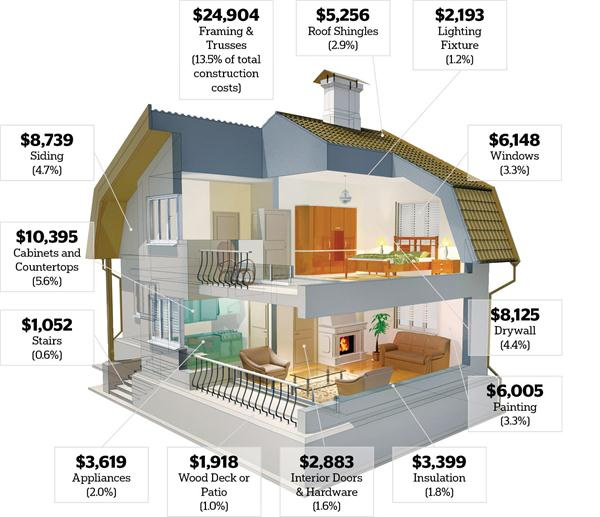
    • As I wrote in a recent blog post article, construction costs and project timelines have increased precipitously. All contractors and suppliers are backed up thus making even cosmetic remodels much more challenging and expensive. Thus, move-in condition houses in good locations command a premium relative to fixer uppers.  https://taosiliconvalley.com/2021/09/23/real-estate-construction-costs-skyrockets-in-sf-peninsula-what-is-impact-to-real-estate-prices/
    • I helped several clients purchase rental property or 2nd homes in 2021 as they seek to diversify their investment assets while taking advantage of low interest rates. Many residential agents, even top producing ones would not know how to advise on cap rates mean and its interplay between appreciation potential vs near term cash flow as well as understanding of property management and leasing. Here is one of the first blog posts I wrote 8 years ago on an “investment that didn’t make sense for a friend’ that helped articulate some of the many variables on buying an investment property. https://taosiliconvalley.com/2013/12/06/an-example-of-a-real-estate-investment-that-just-didnt-make-sense/. The 2nd home markets like Sonoma/Napa, Lake Tahoe, Monterey/Carmel real estate values skyrocketed in 2021, from the many Bay Area buyers.

    The start of 2022 will be quite interesting to say the least. The initial group of properties that hit the market in the 1st couple months will really set the tone of this year. This article represents my personal insights and not related to any companies I am affiliated with. Additionally, the local markets can and will change rapidly due to macro and microeconomic factors. Thank you to my clients and friends who worked with me and/or referred me to their friends in 2021. I look forward to hearing from many of you in 2022 and get an update how you are all doing.

    I can be reached at peter.tao@cbnorcal.com.

    Real Estate Construction Costs Skyrockets in SF Peninsula…What is Impact to Real Estate Prices?

    Yes, yes it does, but in different ways depending on the segment. First, let’s discuss why costs/budgets have significantly increased over the past year .

    • During the pandemic, while people were shelter-in-place, the need to renovate their existing home increased precipitously so there was an increase in demand for contractor labor.
    • With the combined increase in demand for labor, as well as some migration of contractors out of the area, skilled contractors started getting booked up months in advance creating a labor shortage.
    • As general contractors and sub-contractor’s job pipeline get backed up from 3-6 months in advance, they start to increase their bids/estimates on job proposals increasing pricing.
    • Early in the pandemic when imports totally stopped at the ports/borders, there were major supply chain problems with many industries. Materials like cabinets, countertops, fixtures and many other key house materials stopped coming in from countries like China, inventory became scarce in certain areas. 
    • Good example was in early 2021, lumber prices increased by 5-7x – not a typo. Fortunately, lumber prices have come down.
    • With low inventory, prices began to increase.
    • There are shortages of key finish items, such as high-end appliances with “smart features” that are seeing lead times of 6 months. Apparently, a backed-up supply chain issue created by a shortage of “chips” that is a key material in the production of certain appliances.
    • So with all these delays, cost increases, labor shortages, general contractors must then factor in just more time, effort, challenges, delays that they also need to increase their projected margin to somewhat factor these issues into the equation.

    What do any of these factors impacting construction costs have to do with real estate values? Here are some examples of the impacts I have seen first hand as both listing agent and buyers agent in the San Francisco Peninsula marketplace.

    • Home buyers know about rising costs and long lead times that many buyers who would have considered a fixer upper, no longer will contemplate one. Thus, move-in condition homes are in higher demand than ever before.
    • Conversely, fixer uppers in good neighborhoods that may have sold a few years ago with multiple offers, may not still sell right away or command as many offers and the spread between a fixer upper and recently renovated home have widened.
    • Homeowners are finding it much more challenging doing a substantial home renovation or an expansion project due to this significantly increasing cost and longer project timeline. I have two different clients who have been planning an expansion project in  the Peninsula over the past year including architectural renderings and general contractor estimates. Unfortunately, the estimates over the last 6 months increased by more than 50% making the financial economics of a home expansion not as clear cut as in the past.
    • For example, let’s say a homeowner bought a San Mateo SFR 5 years ago for $1m that was a 3bd/2ba 1400 square feet that is now worth $1.5m. They want to expand to a 4bd/2.5ba 2100 square feet for $700k; after completion, it will be a beautiful fully renovated house worth $2.5m imputing $300k of “sweat equity”. However, let’s say the new budget for that project is now $1.0m. Then, the “sweat equity” benefit is negligible and the benefits would be the finished product being to the precise taste of the owner and ability to remain in the neighborhood; the downside is over 1 year of planning, decisions, project management and moving into a temporary apartment. The alternative is to just buy a bigger, nicer one for $2.5m and sell the smaller one. Of course, the decision is much more financially, psychologically and logistically more complex than that, but you can now see the dilemma.
    • The net is that there are more move-up buyers in the market, which is why the $2-3m price point in good school districts with renovated houses and usable backyards to be highly competitive.
    • Interestingly, I am seeing more houses listed by developers be put on the market to be sold with approved plans for a home buyer to construct. Their reasoning is they are too busy with other projects to start which likely is true. However, I am pretty certain the other reason is  their tightening projected profit margins is squeezing builders.

    As always, feel free to contact me at peter.tao@cbnorcal.com if you wish to discuss anything real estate related. Any advice from those who have recently undergone a renovation project? Any feedback or real world renovation war stories?