
AI, cryptocurrency, and space exploration will change the world. AI this, AI that. I have lived in the SF Bay Area for exactly 30 years moving here for a job after my MBA. I have lived and worked through multiple economic highs and lows, including tranformational changes to the world; I’ve did it, done it, and lived it.

- I was an early pioneer during the Internet boom in the late 90’s, early 2000’s helping create new technologies, marketplaces, business models, and improving how people function in daily life. The Internet changed the world, but took longer than expected. After the dotcom bubble burst, the economy ramped up and the Internet truly shifted how the world operated.
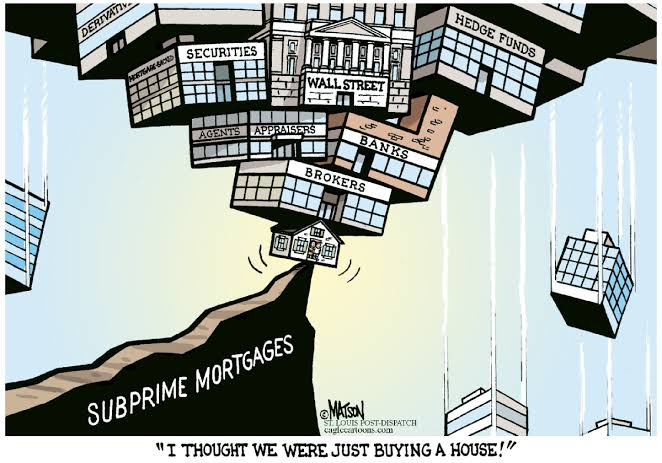
- In the mid-2000’s when I held Internet VP of Biz Dev roles, I worled with some of the largest subprime mortgage lenders. With 2 degrees in finance and former financial services strategy background, I anticipated the bubble when anyone with a pulse qualified for these subprime (“liar”) loans and no down payment to purchase real estate. The mortgage meltdown was a horrible time period as millions lost their homes to foreclosures tanking the US housing and financial markets that took many years to recover.

- More recently, the Covid “black swan” impacted real estate in the SF Bay that would have been hard to forsee. We saw a drop in the 1st year of shelter-in-place, but then real estate demand spiked for single family residences outside major metropolitan cities like SF. People worked remotely and wanted more space during the lockdown. They moved to the suburbs and to vacation towns near mountains and oceans/lakes. High density cities with financial districts were deserted for a few years affecting both commercial and residential real estate markets in those cities like San Francisco.
SF BAY REAL ESTATE IS A CONTRADICTION
The current SF Bay real estate market is in a really confusing dynamic now. On the negative side “Big Tech” companies have laid off thousands of employees as AI has allowed companies to eliminate some skilled engineers, data scientists, product managers, various business functions, and other operations across junior to mid-level roles . Some well known tech firms announced cuts in 2026 such as:
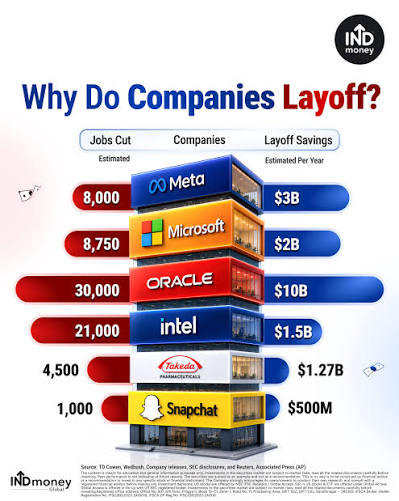
- Meta 10%
- Linkedin 500 locally
- Cisco 4000 globally, 500 locally
- Intuit 17% / 3k
- Oracle 30k (yes, that’s thousands) globally, up to 1k locally
Over the past 6-12 months there are a variety of factors pulling at real estate supply and demand:
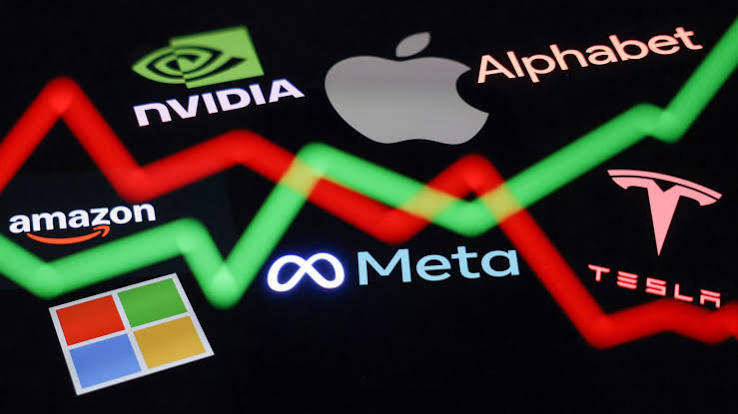
- Engineers and other skilled technical and businesspeople who have worked in Big Tech for a number of years have savings from “in-the-money” stock options and RSU. As of July 10, 2026 YTD Nasdaq is up 13% and up 70% from 5 years ago.
- There are very motivated, highly qualified buyers out there who are actively looking particularly in the $1.5-3.5m range.
- Given the shaky Silicon Valley job market, high inflation and general economic uncertainty, many potential buyers have postponed purchasing or decided to only casually look.
- With fewer active “move-up” buyers, this has affected the supply of available properties at the entry-level causing a supply constrained market.
- The SF condo segment was one of the weakest markets since the pandemic in the entire Bay Area due to exodus of workers from the city and remote work. Demand improved in 2025, and then spring 2026 saw a material increase in demand, and thus prices, for condos in SF partially due to the recently announced liquidity event with SF Bay based AI companies. Examples are:

- Anthropic: The AI developer filed S-1 with anticipated valuation approaching $1 trillion, plus its many major acquisitions of other companies.
- OpenAI: The ChatGPT maker filed for IPO with a current valuation of over $850 billion. That’s “B” as in Billions
- Databricks: Data and AI analytics platform is close to filing.
- SpaceX: IPO with current valuation of $1.5T, that’s “T” as in Trillions!
QUESTIONS AND TAKEAWAYS FOR REMAINDER OF 2026
- Supply is low in SF, Peninsula and South Bay right now. Will supply increase in September/October 2026?
- San Francisco real estate is surging with low supply and heightened demand such that many properties including SFR, condos and even some duplexes are setting offer dates. Tjhis includes SF condos that are vacant, move-in condition, in desirable neighborhoods are going multiple offers after being very slow movers for past 5+ years.
- Segment of buyers who are waiting and seeing how the economy evolves and whether their companies will lay off more people as many people are feeling uncertainty with their job security.
- Move up buyers are slow to upgrade given shaky economy, and that their current property has a <3% interest rates compounding the opportunity cost of purchasing a larger/better home.
- Current uncertainty of the US and International political climate adds to nervousness of the current economy.
- Lastly, for my SF Bay Area readers, what will the Golden State Warriors do with the team without Lebron joining the team? Will they now trade Steph Curry and Draymond Green for young players and a haul of 1st round picks to rebuild?
As always, feel free to reach out to Peter.Tao@cbnorcal.com if you ever wanted to talk SF Peninsula real estate.